Education & Awareness
Educate yourself about eye safety to protect family members from an eye injury or possible blindness. Taking appropriate safety precautions and wearing specialized eyewear could prevent 90% of the eye accidents that happen each year.
Children’s Eye Safety
There are a number of common situations that can lead to a childhood eye injury:
- Misuse of toys
- Falls from beds, on stairs, or against furniture
- Misuse of everyday objects such as pencils, knives, kitchen utensils, and garden tools
- Contact with paints, glues, or other products
- Car accidents
Precautions must be taken to keep your child safe at home:
- Make sure stairways are well-lit and use safety gates at the top and bottom. Teach your child to use handrails.
- Cushion sharp corners and edges around the home.
- Install cabinet and drawer locks to keep kids from harming themselves with common household items.
- Store pesticides, fertilizers, and other hazardous products in a secure area.
- Read all warnings and instructions on toys and make sure toys are age-appropriate.
- Use infant and child safety seats, booster seats, safety belts, and shoulder harnesses in cars.
- Children 12 and under should NEVER ride in the front seat.
- Store loose items in the trunk. Loose objects become dangerous projectiles in a crash.

The Dangers at Home
In the home, eye injuries are common. It’s important to remember that regular eyeglasses do not provide enough eye protection. Wearing goggles or safety glasses give the added eye protection needed for household chores that involve machinery or chemicals.
Reduce the risk of eye injury for you or your family by taking precautions at home:
- Prevent falls by making sure your home is well-lit and staircases have handrails.
- Before mowing, remove all debris from the lawn. Wear protective eyewear while using all mechanical equipment including mowers and blowers.
- Store paints, pesticides, fertilizers, and other chemicals properly. Wear the proper goggles or glasses to protect your eyes from exposure to particles or fumes.
- Read and carefully follow manufacturer instructions and warning labels for solvents, detergents, and other chemical products.
- Do not mix cleaning agents or other hazardous chemicals.https://preventblindness.org/
Dangers At Your Work Place
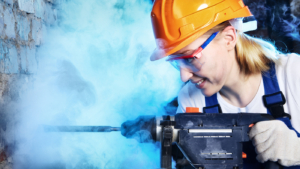
In the workplace, there are safety rules in place; and eye safety is stressed as part of company culture. Because eye injuries cost more than $300 million a year in lost production time, medical expenses, and worker compensation, the U.S. Department of Labor also provides strict standards about eye protection in the workplace. Employers must provide all employees appropriate eye and face protection against chemical, environmental, radiological, or mechanical irritants or hazards.


Leave A Comment